
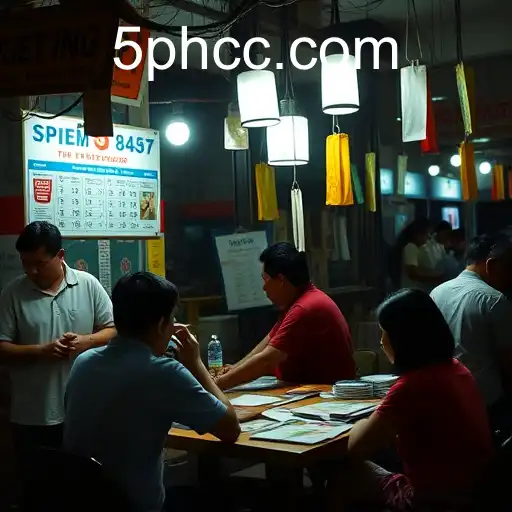
5PH | The Intricate Network of Jueteng: Understanding the Filipino Gambling Phenomenon
5PH’s Jueteng, a popular numbers game in the Philippines, has cemented its place in society despite being illegal. This article explores its history, economic impact, and sociocultural significance.
The Intricate Network of Jueteng: Understanding the Filipino Gambling Phenomenon
Jueteng, a popular numbers game in the Philippines, has cemented its place in the fabric of Filipino society despite being considered illegal under Philippine law. This underground lottery game captures the fascination and participation of millions, ranging from the working class to influential figures. As we dive further into the intricacies of Jueteng, we discover a complex system influenced by socio-economic factors, ingrained traditions, and the undeniable allure of chance.
The Origins and Mechanisms of Jueteng
Jueteng can trace its origins back to the Spanish colonial era in the Philippines, where it evolved as a variation of Spanish lottery games. Today, it consists of players choosing a combination of numbers, most commonly between one and thirty-seven. Bets are collected by what is known locally as the "cabo," who reports to a "master agent" or "controller." The numbers are drawn twice daily, giving bettors two opportunities to potentially win.
Why Jueteng Constantly Thrives
The perpetual existence of Jueteng can largely be attributed to several factors including poverty, luck, and convenience. Economic hardship pushes individuals to seek quick financial gain, and Jueteng provides that slim yet tantalizing chance. The game also operates with incredible accessibility compared to other legal forms of gambling, making it a preferred choice among individuals who may not have easy access to formal betting outlets.
5PH: A Closer Look at Jueteng's Economic Ecosystem
The phrase "5PH" can often be heard in local communities, which refers to a common bet amount—five pesos—used in Jueteng. While the amount seems minimal, it accumulates rapidly due to the volume of participants. This pooling of bets contributes significantly to the local economy, albeit informally. The cash generated not only lines the pockets of those who run and operate the game but also invests back into small communities in various indirect ways.
The Role of 5PH in Daily Lives
For many Filipinos, gigs related to Jueteng betting often supplement their daily income. From collectors and runners to coordinators and bettors, Jueteng supports a web of monetary relationships that sustain livelihoods. Players often approach the game with calculated strategies—including personal significances or dream interpretations related to specific numbers—further driving engagement and dedication.
Legal and Ethical Considerations
Despite its widespread acceptance, Jueteng is illegal under the Republic Act No. 9287, which amended the Anti-Illegal Gambling Act in the Philippines. Efforts to curb its activities have met with limited success, largely due to alleged collusion among local government units, law enforcement, and even business sectors. Legalizing the game remains a deeply contentious issue, stimulating debate on potential regulation versus the moral ramifications of extended formal gambling.
Addressing the Jueteng Dilemma
The dilemma surrounding Jueteng remains: should it be regulated to harness its economic benefits, or should efforts be fortified to completely eradicate it given its associations with corruption and crime?
The Sociocultural Dimension of Jueteng
Jueteng has long been embedded into the socio-cultural matrix of the Philippines. It is not simply a gambling activity but also a social one, fostering communities, loyalty, and tradition. Although games like these raise moral and ethical questions, they also serve as expressions of hope for countless Filipinos aspiring to improve their circumstances against towering economic divides.
Entertainment or Vice?
While Jueteng is, for some, an innocent form of entertainment and a break from daily struggles, for others, it represents a vice that disrupts families and local economies. Dependence on games of chance can create or exacerbate financial stress, leading to indebtedness or even family breakups when "that big win" never quenches the insatiable thirst for more.
Future Prospects for Jueteng
Analyzing future prospects, it remains uncertain whether Jueteng will be entirely quelled or effectively regulated. But what is clear is its enduring popularity and deep-rooted presence in Filipino life. Society's understanding of Jueteng, including its enticing nature, requires a balanced approach, considering both the economic benefits and potential detriments attached to its practice.
